Interesting experiences in my lifetime
November 25, 2022, evening
Moments feeds seemed to explode. People who usually looked very calm were all posting every kind of text, repost, image, and video—and the theme was only one: many people died in the Ürümqi fire because of strict zero-COVID policy (officially it was 9 or 10—I forgot; on Twitter people said 30 to 45; as always, the real number is a mystery).
Honestly my attention to this was low, not because I am cold-blooded, but mainly because this kind of thing felt too ordinary (that may sound cruel). From three years ago until now countless people have died—how many cases get reported? If nobody had died in the fire, that would have been abnormal.
What I did not expect was that this time the blockade failed. Almost everyone in the country knew and saw. The last time something spread this widely was the chained woman case—and look what news remains now, who was held accountable, who stepped down; pick random people on the street and they might still not know about the chained woman.
What they will do next is probably the same playbook as with Hong Kong:
- Targeted arrests of influential people
- Send hired thugs posing as protesters to smear peaceful ordinary people as a group
- Say foreign forces are inciting trouble—do not follow the crowd
- When people turn against the fake protesters and split, jump out and play the good guy
- Along the way sacrifice a few celebrities, preferably stir up Russia or North Korea internationally
You have to admit—the public has been through too much these three years, and it is exhausting.
People are no longer pretending all is calm and looking away. Recently officials act more and more brazenly, with less effort to hide. Three days on, Ürümqi and Shanghai were arresting people, but the wave did not pass—it grew hotter.
November 27: students at Nanjing University of the Arts moved. That is a dangerous signal. The largest student movement since the founding of the country is still vivid in memory. State media dares not touch it openly, but older people all understand it in their hearts.
Nobody can say how the future will go. I think unless local military–civilian or military–police cooperation appears, it will most likely be crushed—but at great cost.
Democracy
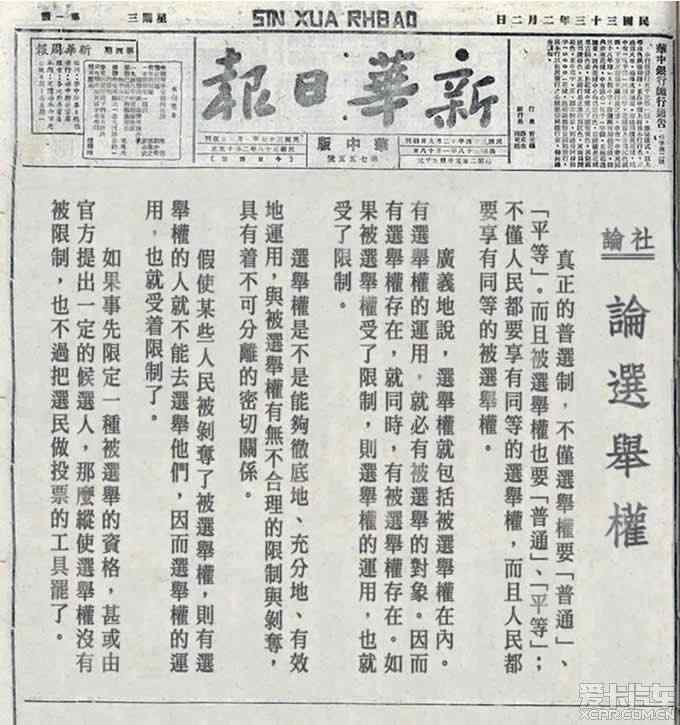
I remember asking my dad when I was little: if the chairman says ours is a people’s congress system, how come I have never elected a people’s congress deputy? He said I was too young and could vote when I grew up.
I grew up and still never saw a ballot. I do not know who represents my community, street, or city.
Later I asked again: why do I have no ballot?
They said we are too many people—one person, one vote is impossible. I accepted that.
Then the pandemic came and everyone had a health code—and I was confused again. If scanning works so everyone has a code, why could we not start universal suffrage at the 20th Party Congress?
Later I stopped asking. Maybe they do not want us to vote.
But history will not forget—they did not say that in 1945.